

Animal brain quiz
Get inside the heads of your favourite animals.

This activity will take 5 minutes, is for ages 9+ with no supervision needed.
Animal brains come in a whole range of shapes and sizes - some are tiny clumps with a handful of brain cells, and others are much larger than a human brain.
The shape of an animal's brain, just like everything else from the size of their teeth to the shape of their tail, is caused by them adapting and evolving to suit their habitat. That means their bodies and behaviours have changed over hundreds, thousands and millions of years so that they can survive and thrive in their environment.
Some animals, like a jellyfish, have been able to easily survive with their simple body and brain for hundreds of millions of years and have no need to evolve a complex brain. Animals like dolphins, chimpanzees and humans live complex social lives and need a complex brain to keep control of everything.

Step 1 of 4
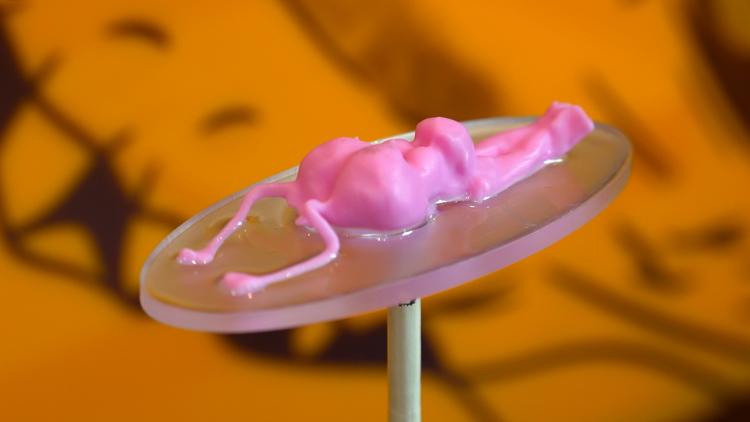
Crocodiles have a great sense of smell, sensing prey from miles away. The part of their brain that processes smells is very large.
Step 2 of 4
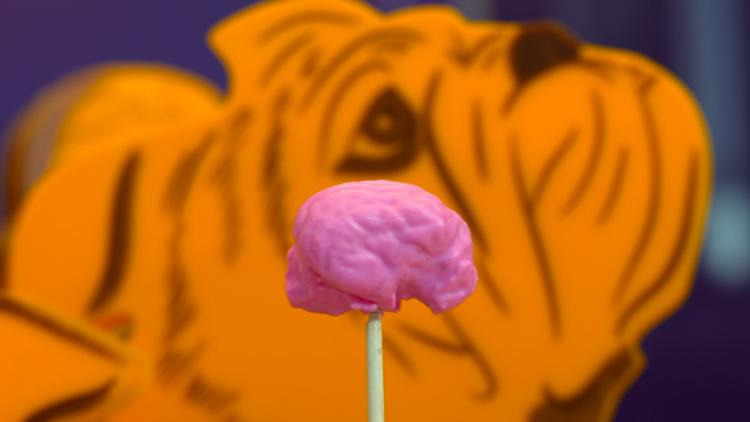
A dog's brain looks quite similar to a human brain, but it doesn’t have as many folds - this means it doesn’t pack in as many brain cells.
Step 3 of 4
Birds can only have very small brains as their bodies are small. However, they pack in brain cells more tightly than other animals, and crows are some of the smartest animals on the planet.
Step 4 of 4
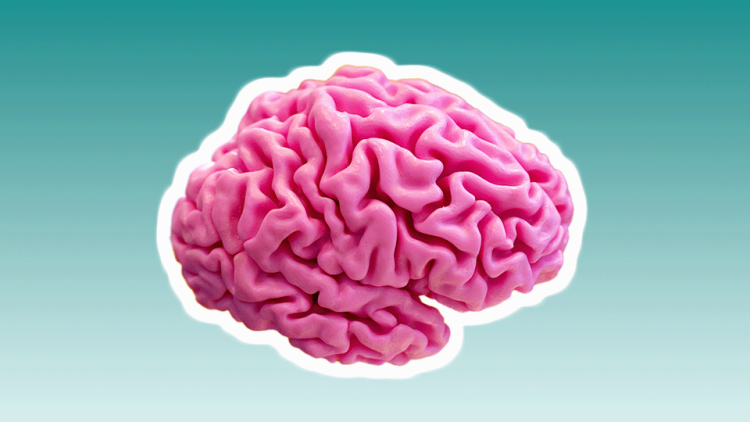
Our brains are pretty large, especially compared to our close relatives like chimpanzees or gorillas. Our brains are packed full of folds, so we have a large surface area to fill with brain cells.
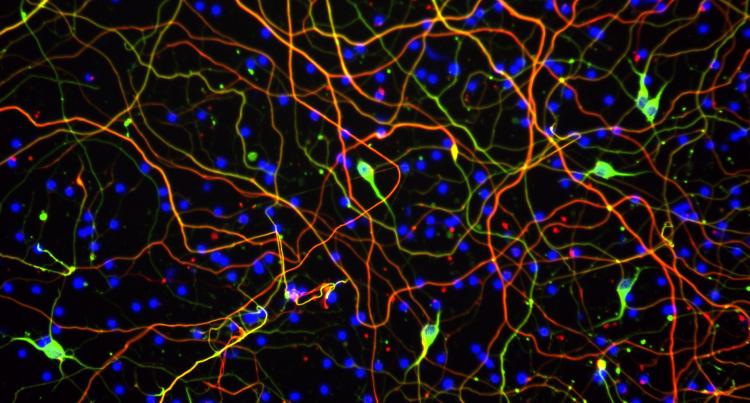
Our scientists are looking in detail at how brain cells grow and develop, as well as trying to understand how they can communicate with each other.
Our researchers are also developing neural networks - complicated computer programs that mirror the way the brain is structured. The hope is that these programs will help to create computers that get close to human intelligence. This will help us process data much more quickly and could even help scientists come up with new ways to study things.